This route depends on two long-distance train journeys, so choose services that leave enough time for station transfers and arrival plans. The Beijing to Xi’an high-speed journey takes about 4–6 hours, and second-class tickets cost CNY 480–593. The Xi’an to Shanghai journey takes 6–9.5 hours, with second-class tickets costing CNY 652–795. These are the stated fare ranges; confirm the available service and current ticket details before booking.
Tickets for the Beijing to Xi’an route go on sale 15 days before departure. Beijing West Railway Station is served by subway Lines 7 and 9, while Xi’an North Railway Station is served by Lines 2, 4 and 14. Shanghai Hongqiao Railway Station is served by Metro Lines 2, 10 and 17. Check station, train and metro information for your travel date, and allow enough time to reach the correct platform.
A private trip can be designed around your preferred pace and services. The licensed local travel agency books and runs the confirmed arrangements. Ask for a written itinerary and quote that explain which train tickets, transfers and other services are included. Confirm the train times directly before finalizing the daily sightseeing plan.

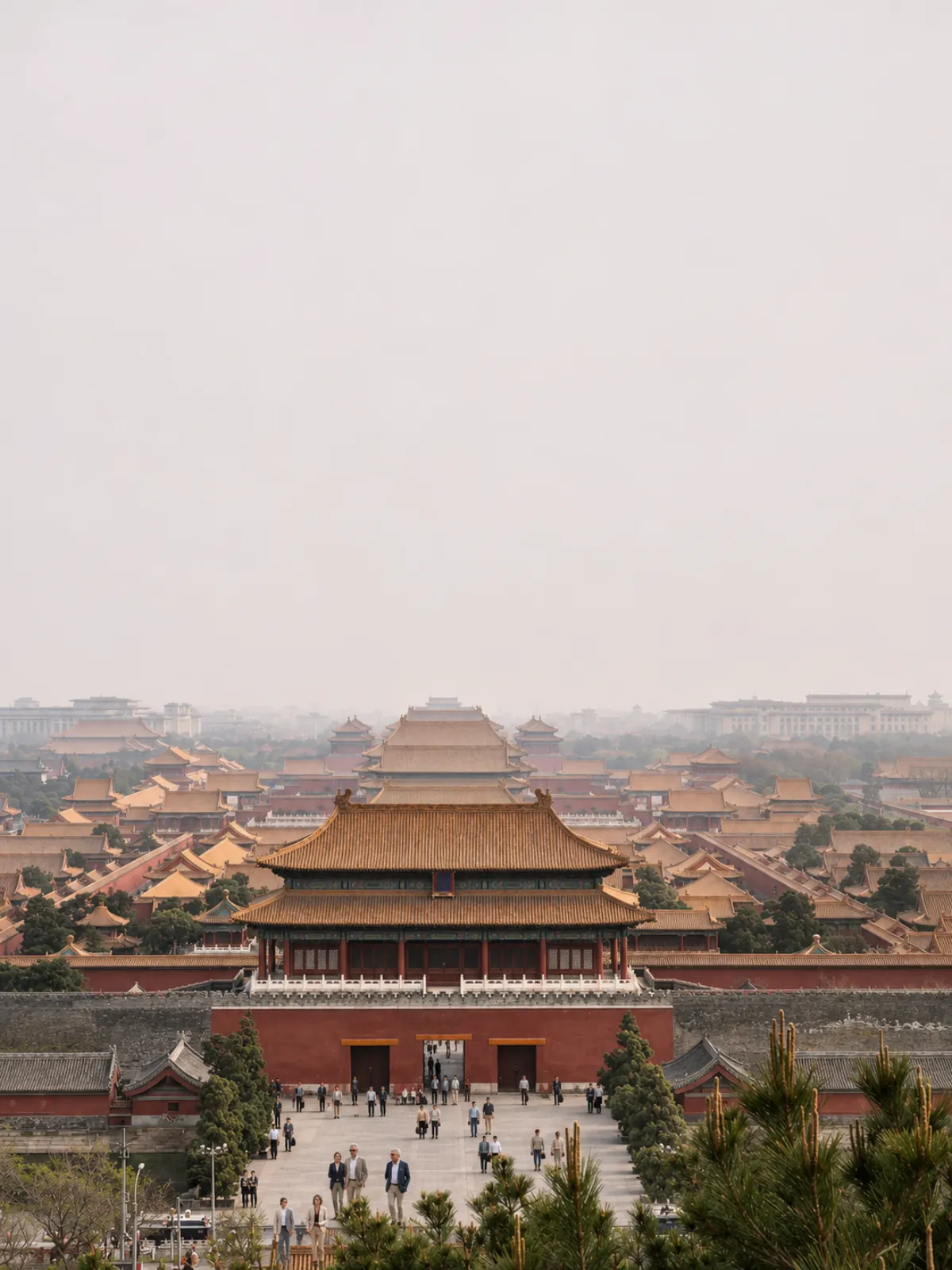
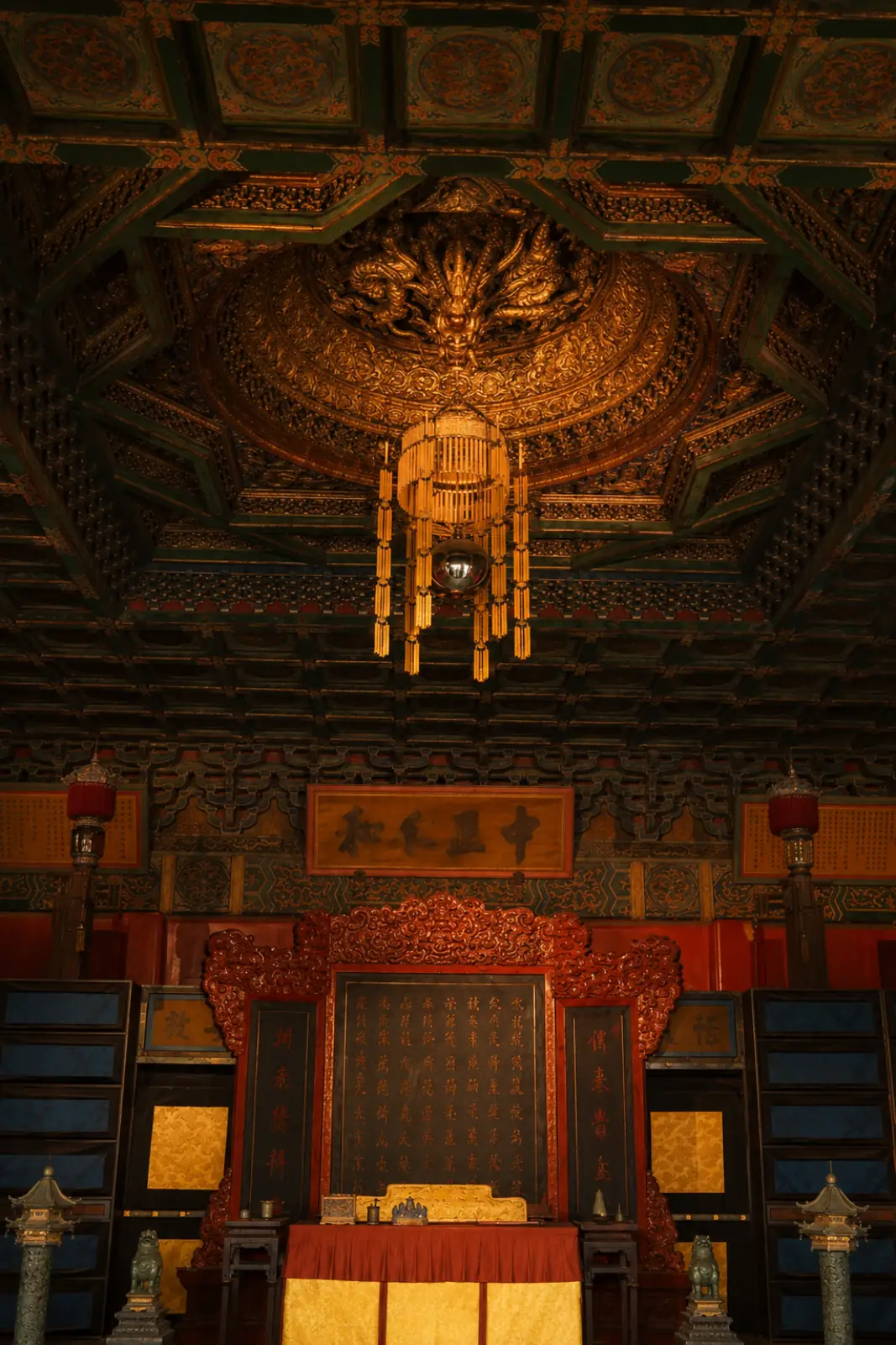
Attraction rules and ticket details can affect the order of your days. The Palace Museum is closed all day on Mondays except public holidays. Foreign visitors can book through its official English website using a passport. Check the official site for current prices and availability before you plan the visit.
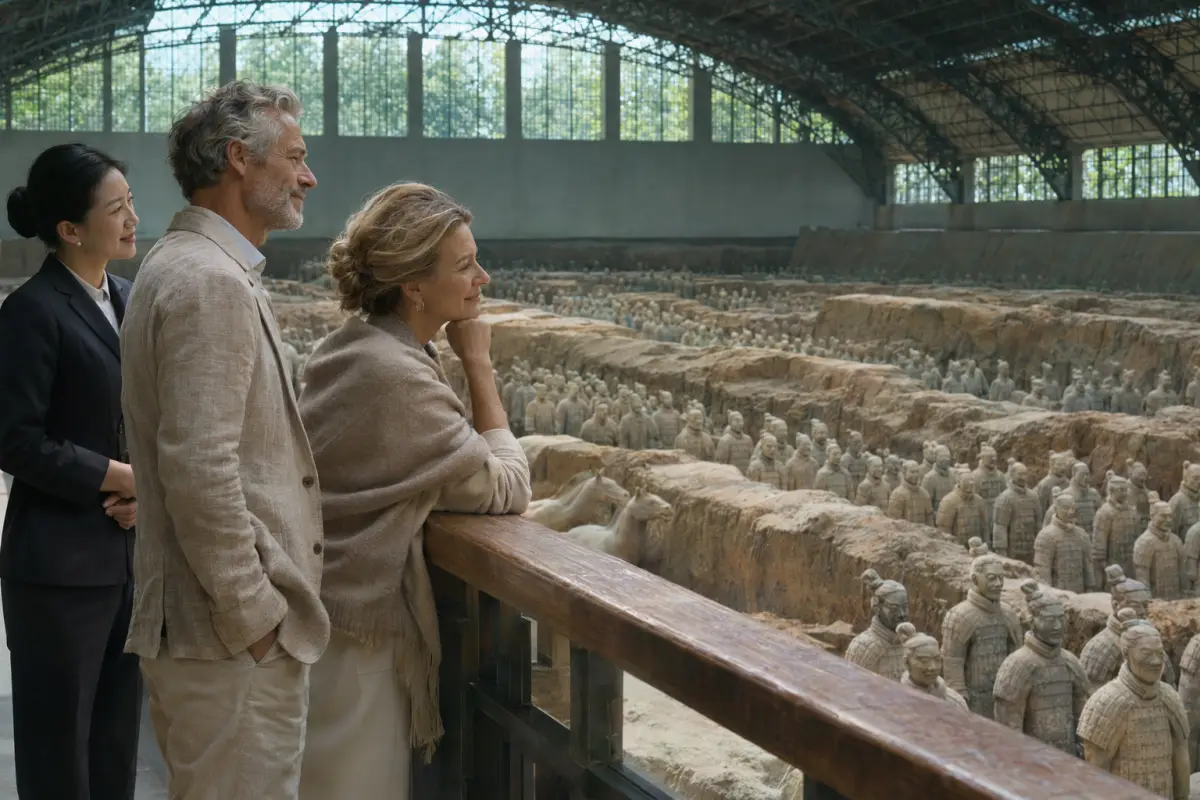
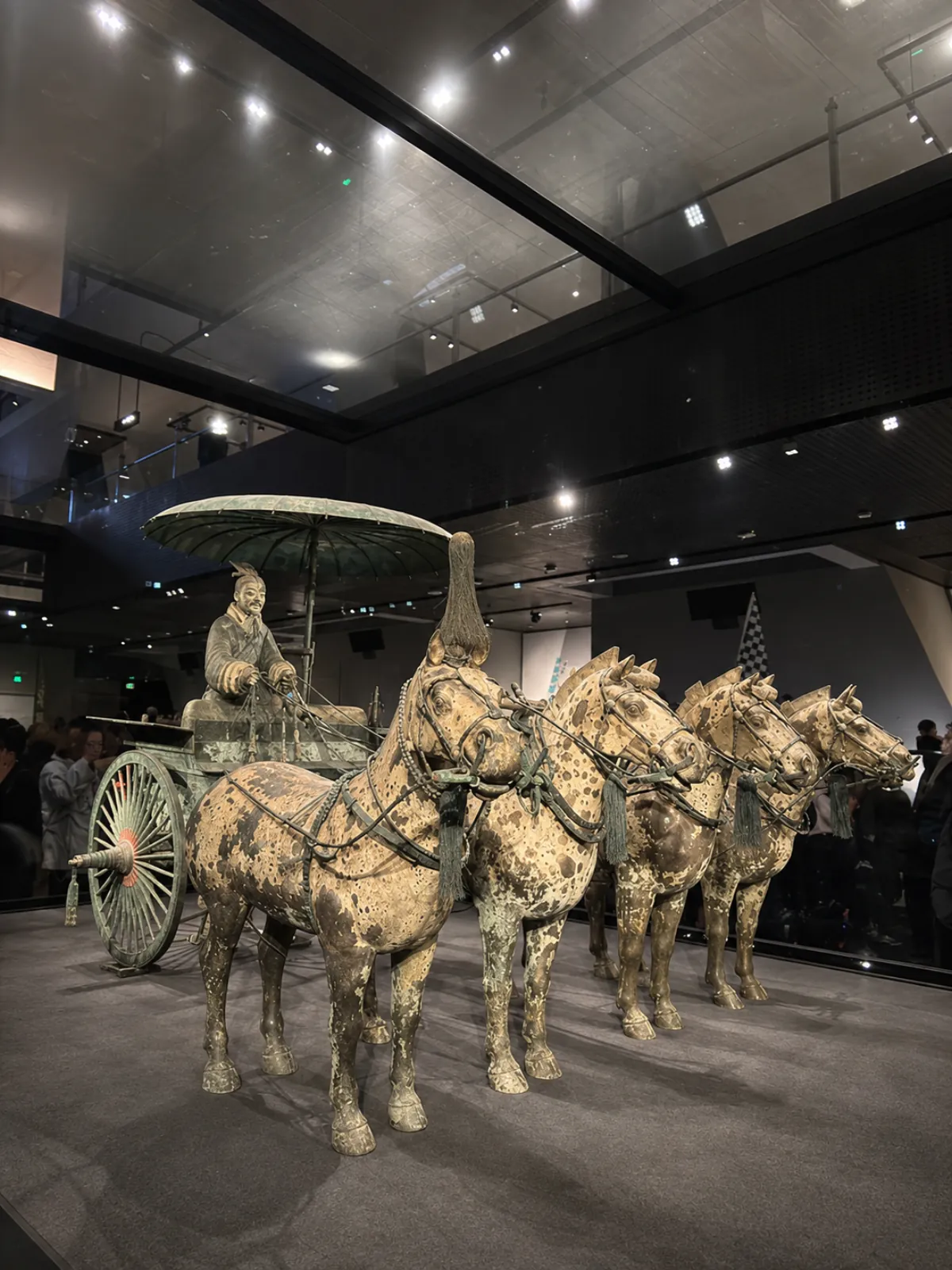
At the Terracotta Army Museum, all visitors must reserve and pre-purchase tickets through an official online channel. The museum is about 35 km east of downtown Xi’an. Metro Line 9 to Huaqing Pool is followed by a bus or taxi. Confirm the connection and current entry arrangements with official channels.
Badaling does not require advance reservation; tickets can be purchased on site. Its peak-season opening hours are 06:30–16:30 from April 1 to October 31. For Shanghai Tower, check the current ticket and visiting details before going. These checks help you place each attraction on a suitable day and avoid relying on old information.

A china 7 day itinerary is a framework, not a fixed group departure. We design private custom China trips, while a licensed local travel agency books and operates the confirmed arrangements. The proposal can be shaped around your interests, pace, accommodation preferences and requested services. The agency provides the personal quote with the proposed route and arrangements, so review the written inclusions before confirming. For this china itinerary 7 days, you can ask which services fit your priorities and have the agency explain them in the proposal.
If you want more time in one city, the sightseeing order can be adjusted around the train legs. If you prefer fewer stops, a shorter route can focus on a pair of cities. For an extension, add time where it matters to you and ask the agency to confirm suitable transport and services. This keeps the itinerary tied to your priorities while leaving current schedules and availability to be checked at booking. A china itinerary 7 days can also be adjusted to give you a slower arrival day or more time around a particular sight.
A china itinerary 7 days can feel full because it combines three cities and two intercity transfers. Decide which experiences matter most before requesting a proposal. Some travelers may prioritize the Great Wall and the Palace Museum; others may want more time for Xi’an’s archaeological sites or Shanghai’s gardens and waterfront. Share those priorities so the itinerary can reflect them. This china itinerary 7 days works as a starting outline, and the final order can reflect your interests and confirmed arrangements.
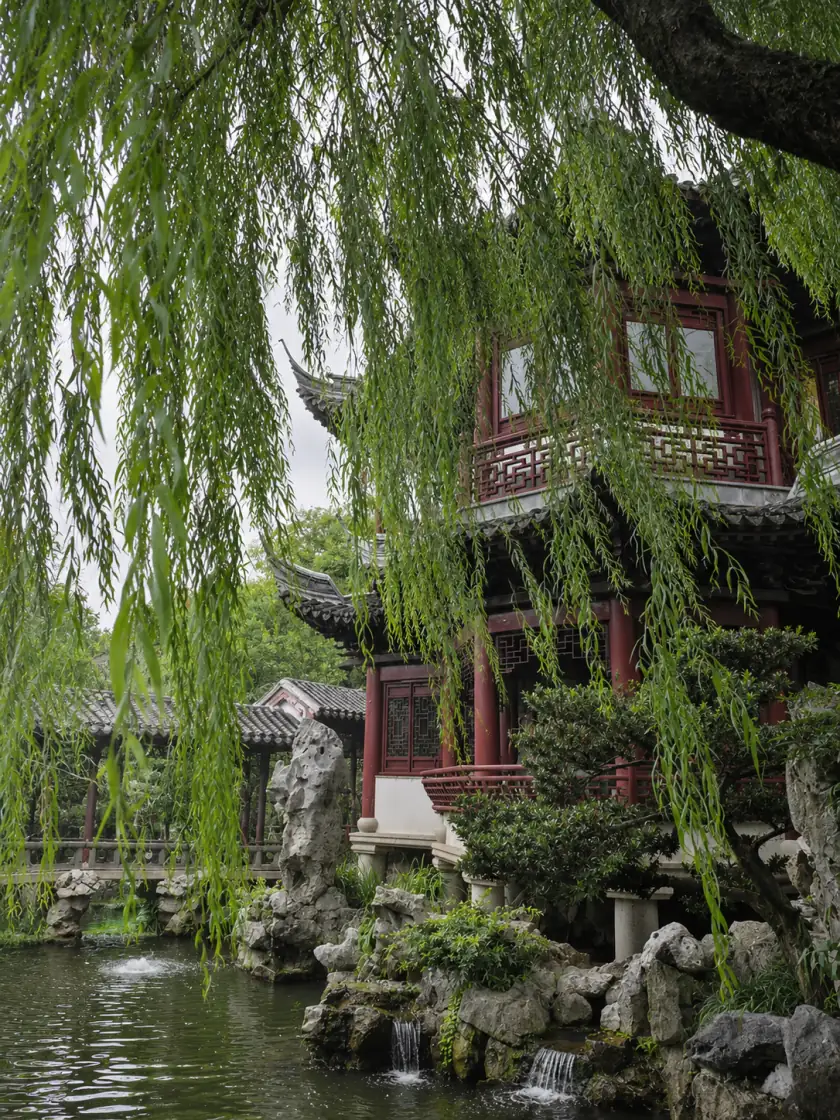
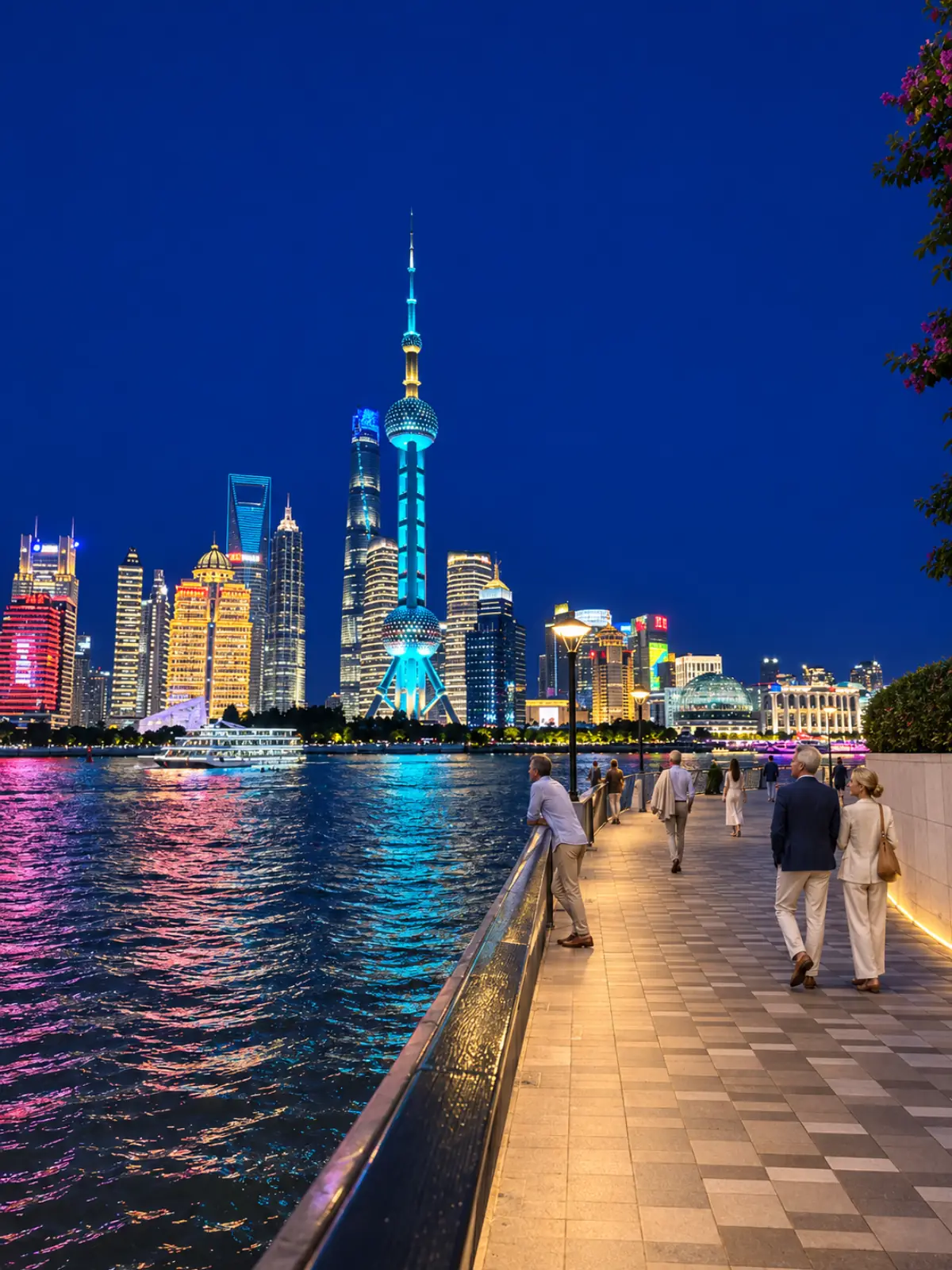
Use the daily outline to consider the rhythm of the trip. The Beijing days combine central landmarks with an outdoor excursion. Xi’an has a city-center day and a museum visit outside downtown. Shanghai’s final days focus on the old city, the Bund and Pudong. This china itinerary 7 days leaves the long rail journeys on their own days, while the arrival afternoons remain lighter. When reviewing a china itinerary 7 days, consider how much walking and sightseeing you want on each day, then discuss any changes with the agency.
Before confirming, read the proposed itinerary and ask which services the agency will book and operate. Check the written plan for transport, accommodation, attraction arrangements and any requested support. A personal quote should explain the proposed services and what is included. Availability and current schedules need to be confirmed for your selected dates. For this china itinerary 7 days, ask the agency to clarify any service that is unclear before you confirm the arrangements.
A 7 day china itinerary can be changed to suit a different pace or interest. You could ask for less sightseeing on arrival days, more time in one city, or a shorter route with fewer stops. The agency can advise on arrangements for the version you choose. This china itinerary 7 days is a starting point for that conversation, and the final plan should match your priorities and confirmed services. If you are comparing a china itinerary 7 days with a longer route, decide whether the extra time is for slower sightseeing or another destination.
Keep practical checks together as you plan. Confirm attraction access through official channels, check current train information with the operator, and make sure the proposed schedule leaves enough time for your own transfers. The route can then be reviewed as a whole before the agency books the confirmed arrangements. A china itinerary 7 days is easiest to assess when the daily plan and the included services are clear. You can also ask how the china itinerary 7 days would change if a preferred train or attraction arrangement is unavailable.
Think about the kind of day you prefer before you request changes. A traveler who wants time for a long meal or an unhurried walk can ask for fewer planned stops. Someone focused on major landmarks may prefer to keep the central sights together and leave less time for open-ended exploration. The agency can discuss the requested pace and reflect agreed services in the proposal. This helps make a china itinerary 7 days easier to review as a real plan rather than a list of places.
For the Beijing portion, consider whether the Palace Museum and the Great Wall are both priorities. The outline places the central historic area before the outdoor excursion, then leaves the train journey for its own day. If you want to change that sequence or spend more time in one area, explain the preference when requesting your proposal. The agency can confirm which arrangements are available for your selected dates. A china itinerary 7 days should leave the important choices clear before you confirm.
In Xi’an, the city center and the Terracotta Army Museum involve different kinds of visits. The museum is outside downtown, so it helps to discuss transport and the day’s pace as part of the plan. In Shanghai, the old city, waterfront and Pudong offer different settings for the final days. Tell the agency which places matter most, and ask how the proposed itinerary handles the transitions. This china itinerary 7 days can then be reviewed city by city before arrangements are confirmed.
Use the written proposal to check the practical details that matter to you. Ask what is included, which services the local agency will book and operate, and what you need to arrange separately. Check train and attraction information through the relevant official channels as your travel date approaches. These steps make the scope of a china itinerary 7 days clearer and give you a chance to raise questions before confirming.